

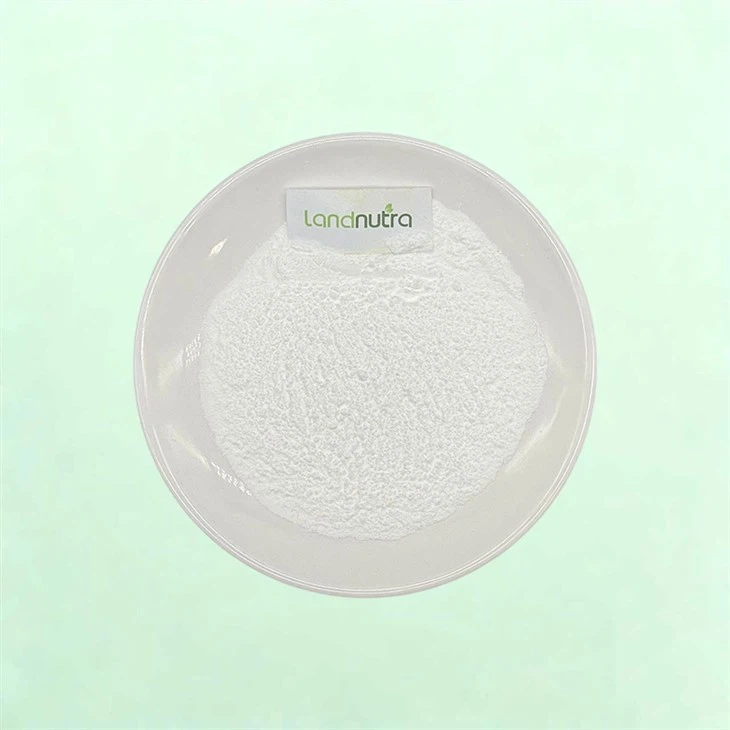
Zinc acetate dihydrate is a white crystalline powder with two main characteristics: excellent water solubility and a near-neutral pH (6.0-7.5) in its aqueous solution. This makes it unique among zinc raw materials-zinc sulfate is soluble but too acidic, zinc oxide is insoluble and depends on stomach acid, and zinc gluconate is mild but has a low zinc content.
Zinc acetate falls precisely in the middle: it contains approximately 30% zinc, providing about 300 mg of elemental zinc per gram; it is soluble in cold water, producing a clear solution; and its neutral pH will not irritate the gastric mucosa or destroy acid-sensitive vitamins (such as B1, folic acid, and vitamin C) in the formula.

Product Characteristics
Looks like: White crystalline fine powder with a faint acetic acid odor.
Efflorescence Properties: Slightly effloresces in dry air, losing some surface moisture.
Solubility: Extremely soluble in water, ; limited solubility in ethanol.
Solution Acidity: Aqueous solutions are weakly acidic, providing zinc ions while adjusting the system's pH.
Stability: Sensitive to damp heat; prone to clumping or hydrolysis under high temperature and humidity.
COA
|
Item |
Specification |
Result |
|
Appearance |
White to off-white fine crystalline powder |
Complies |
|
Odor |
Faint acetic acid odor |
Complies |
|
Assay (Zn(C₂H₃O₂)₂·2H₂O) |
99.0% – 101.0% |
99.6% |
|
Zinc Content (Zn) |
29.5% – 30.5% |
30.1% |
|
Loss on Drying |
16.0% – 17.5% |
16.8% |
|
pH (10% solution) |
6.0 – 7.5 |
6.8 |
|
Chloride (Cl) |
≤ 0.05% |
0.01% |
|
Sulfate (SO₄) |
≤ 0.05% |
0.01% |
Benefits of Zinc Acetate Dihydrate Powder
Highest Zinc Content Among Organic Salts: 29.5%–30.5% zinc by weight, allowing smaller capsule and tablet sizes compared to gluconate or picolinate.
Ethanol Solubility: Dissolves in both water and alcohol, enabling use in mouthwashes, tinctures, and hydro-alcoholic formulations where other zinc salts precipitate.
Acetate as Natural Metabolite: Acetate is a normal human metabolic substrate, unlike gluconate or picolinate.
Dihydrate Stability: Consistent water content (16.0%–17.5%) prevents caking and ensures stable handling.
Non-GMO & Allergen-Free: No GMOs, no gluten, no common allergens.

Application Fields
Zinc Lozenges
Manufacturers use it for rapid-dissolve lozenges where quick zinc release and milder taste are required.
Oral Care Products
Formulators choose it for alcohol-based mouthwashes and toothpastes due to its ethanol solubility and neutral pH.
Liquid Zinc Supplements
Brands incorporate it into liquid drops and syrups because it remains soluble at neutral pH without strong acids.
Dietary Supplements
Supplement companies use it for high-potency capsules where high zinc content (30%) allows smaller capsule size.
Ophthalmic Preparations
Manufacturers include it in certain eye drop formulations due to its mild pH and compatibility with other ingredients.
Food Fortification
Add it to cereals, nutritional bars, and powdered drinks where solubility and minimal taste impact are important.
Production Process

Product Quality Advantages
Highest Zinc Concentration Among Common Organic Zinc Salts: At 29.5%–30.5% zinc content, only zinc oxide and zinc sulfate have higher zinc density.
Ethanol Solubility: Unique among zinc supplements-dissolves in both water and alcohol, enabling use in mouthwashes, tinctures, and hydro-alcoholic formulations.
Rapid Dissolution Rate: Dissolves faster in water than gluconate, picolinate, or citrate forms, ideal for lozenges and quick-release oral products.
Milder Taste Profile: Significantly less bitter and astringent than zinc sulfate, reducing flavor masking costs for oral products.
Neutral pH in Solution: pH 6.0–7.5 in 10% solution, less irritating than zinc chloride (acidic, corrosive) and zinc sulfate (pH 4–5).
Acetate is a Natural Human Metabolite: Acetate is a normal short-chain fatty acid metabolized by the body, unlike gluconate, picolinate, or other organic anions.


Export Certificates
We hold and can provide all necessary documentation for international markets:
Non-GMO Certificate / Statement
HACCP Certificate
ISO 22000 Food Safety Management System Certificate
FDA Facility Registration
Halal & Kosher Certificates (upon request)
Comprehensive Third-Party Laboratory Test Reports (SGS, Eurofins, etc.)

Why choose us
Zinc Salt Specialists: Extensive experience manufacturing zinc acetate, zinc gluconate, zinc citrate, and zinc oxide.
Consistent Quality: In-house laboratory with EDTA titration, ICP-OES, loss on drying oven, and microbiology.
Stable Supply Chain: Long-term, direct relationships with zinc oxide and glacial acetic acid suppliers.
Technical Expertise: R&D team specializing in lozenge formulation and oral care product development.
Customer-Centric Service: Flexible MOQ (1 kg), fast sample turnaround.
Global Reach: Exporting worldwide with full documentation.
FAQ
Q: How much elemental zinc does zinc acetate dihydrate provide?
A: Zinc acetate dihydrate contains approximately 29.8% elemental zinc. Therefore, 100 mg of the dihydrate powder delivers 29.8 mg of zinc.
Q: Why choose zinc acetate over zinc gluconate for cold lozenges?
A: Clinical studies indicate that the acetate counterion interferes less with zinc ion release than gluconate or citrate, which can form complexes that reduce free zinc availability.
Q: Is zinc acetate suitable for individuals with low stomach acid?
A: Yes. Unlike zinc oxide, which requires gastric acid for ionization, zinc acetate dissolves readily in water and does not depend on low pH for absorption. This makes it appropriate for older adults and individuals using acid-reducing medications.
Q: Can zinc acetate be used in liquid formulas without preservatives?
A: Zinc acetate solutions are susceptible to microbial growth if not properly preserved or refrigerated. For aqueous formulations without preservatives, we recommend extemporaneous preparation or using the powder in single-dose packets.
Q: What is the difference between zinc acetate dihydrate and the anhydrous form?
A: The dihydrate contains two molecules of crystal water, making it less hygroscopic and easier to handle. The anhydrous form absorbs moisture rapidly from air, forming clumps.
Hot Tags: zinc acetate dihydrate powder, China zinc acetate dihydrate powder manufacturers, suppliers, functional ingredients, Beta Ecdysterone, Pure Trans resveratrol Powder, Pqq Powder Bulk, Magnesium Oxide Gluconate Lactate, NADH Bulk Powder