

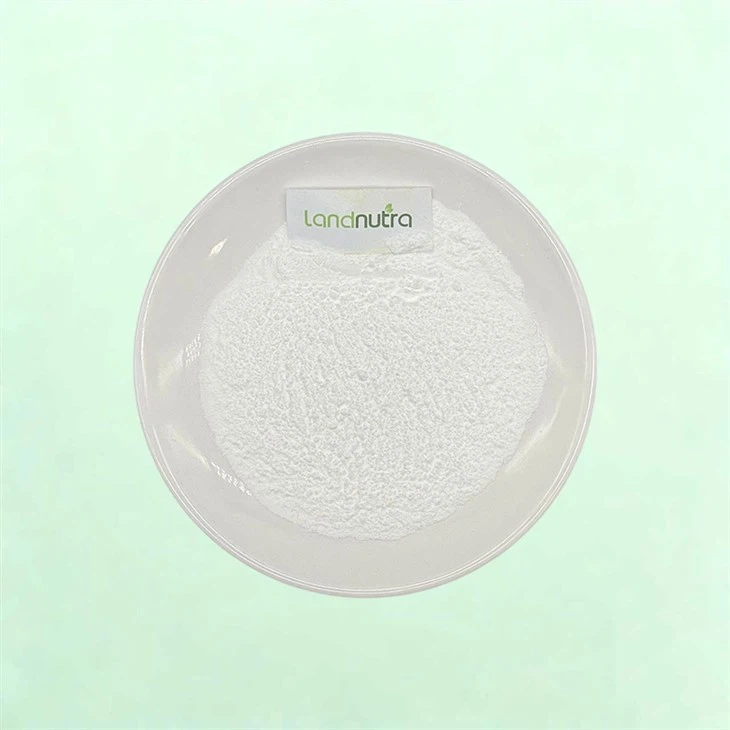
Zinc Sulphate Monohydrate is an inorganic, water-soluble zinc salt conforming to multiple pharmacopoeial standards (USP, Ph. Eur., BP, FCC). It serves as a reliable source of zinc(II) ions for nutritional, pharmaceutical, agricultural, and industrial applications where a defined, high-purity, and cost‑effective zinc compound is required.
Chemical Context: Zinc sulphate occurs in several hydrated forms. The monohydrate form contains one molecule of water per formula unit and is characterized by higher zinc content by weight compared to higher hydrates, lower hygroscopicity than the heptahydrate, and better flow properties for dry blending and tableting. Theoretical zinc content: approximately 36.4%.
Comparative Hydrate Data:
| Form | Formula | MW | Zn% | Water% | Hygroscopicity |
|---|---|---|---|---|---|
| Heptahydrate | ZnSO₄·7H₂O | 287.56 | 22.7% | 43.9% | High |
| Hexahydrate | ZnSO₄·6H₂O | 269.54 | 24.3% | 40.1% | Moderate–high |
| Monohydrate | ZnSO₄·H₂O | 179.46 | 36.4% | 10.0% | Low |
| Anhydrous | ZnSO₄ | 161.47 | 40.5% | 0% | Very high |
Regulatory Status: Zinc sulphate monohydrate is listed as a permitted zinc source in dietary supplements in the United States (FDA 21 CFR), European Union (Regulation (EC) No 1170/2009), and many other jurisdictions. It is also approved for use in food fortification, animal feed, and pharmaceutical preparations.
Typical Applications: Dietary supplements (zinc lozenges, capsules, tablets), food fortification (cereal flours, infant formulas), animal feed premixes, pharmaceutical preparations (topical ointments, ophthalmic solutions), agricultural micronutrient fertilizers, and industrial chemical synthesis.
Specification: 98.0% – 101.0% (USP / Ph. Eur. / BP / FCC compliant)
Sample: Sample Available
Test method: Titration (complexometric) / ICP-MS / USP monograph method
Synonyms: Zinc sulfate monohydrate, Zinc(II) sulfate monohydrate, Zinc vitriol (monohydrate)
MOQ: 1 KG | Package: 1kg/foil bag, 25kgs/drum
Certificate: HACCP, ISO 22000, GMP (HALAL status varies by batch; contact for current certification)
Molecular Formula: ZnSO₄·H₂O | CAS: 7446-19-7

Product Characteristics
Appearance
Zinc Content
Solubility
Hygroscopicity
Particle Size
GMP Manufacturing
COA (Certificate of Analysis)
| Test Item | Specification (USP/Ph. Eur.) | Test Result | Conclusion |
|---|---|---|---|
| Appearance | White crystalline powder | Conforms | Pass |
| Assay (as ZnSO₄·H₂O) | 98.0% – 101.0% | 99.5% | Pass |
| Zinc Content (as Zn) | 35.0% – 37.0% | 36.2% | Pass |
| Water Content (KF) | 8.0% – 12.0% | 10.2% | Pass |
| pH (5% solution) | 4.0 – 6.0 | 5.1 | Pass |
| Chlorides (as Cl) | ≤ 0.05% | <0.01% | Pass |
| Iron (as Fe) | ≤ 0.005% | <0.002% | Pass |
| Lead (Pb) | ≤ 10 ppm | <2 ppm | Pass |
| Arsenic (As) | ≤ 3 ppm | <1 ppm | Pass |
| Cadmium (Cd) | ≤ 5 ppm | <1 ppm | Pass |
Total Plate Count≤ 1,000 cfu/g<100 cfu/gPass Yeast & Mold≤ 100 cfu/g<10 cfu/gPass E. Coli / SalmonellaNegativeNegativePass >
Benefits of Zinc Sulphate Monohydrate Powder
01Essential Zinc Source
Zinc is required for immune function, enzyme catalysis (over 300 zinc-dependent enzymes), DNA and protein synthesis, wound healing, and normal growth and development.
02High Elemental Zinc Density
At 36.4% Zn, provides more zinc per gram than gluconate (~14%), citrate (~31%), or picolinate (~21%). Allows smaller tablet/capsule sizes.
03Low Hygroscopicity (vs. Heptahydrate)
Less prone to moisture uptake and caking. Improves handling, blending uniformity, and shelf stability in dry formulations.
04Water Solubility
Complete solubility enables use in liquid supplements, syrups, clear beverages, and topical solutions without requiring excessive heat.
05Pharmacopoeial Compliance
USP/Ph. Eur./BP/FCC grades provide documented purity, heavy metals control, and batch traceability for regulated markets.
06Cost‑Effectiveness
Typically less expensive than chelated forms while providing comparable bioavailability in most individuals when taken between meals.
Application Fields
Dietary Supplements: Tablets and capsules (standalone zinc or multi-mineral formulas), lozenges (immune or cold symptom support), powder blends, effervescent tablets.
Food Fortification: Cereal flours and corn masa (zinc enrichment programs), infant formulas, meal replacement bars, protein powders.
Pharmaceutical Preparations: Topical astringents and ointments, ophthalmic solutions, oral rehydration salts containing zinc (WHO/UNICEF formulation).
Animal Nutrition: Premixes for poultry, swine, ruminants, and aquaculture; complete feeds; water-soluble supplements for livestock.
Agriculture (Fertilizers): Soil-applied zinc fertilisers, foliar sprays for correcting zinc‑deficient soils.
Industrial: Electroplating bath additive, chemical synthesis (catalyst, raw material for other zinc compounds).
Production Process

Product Quality Advantage
98%–101% Assay – High purity, USP/Ph.Eur./BP/FCC compliant.
36.4% Elemental Zn – High zinc density, smaller tablets.
Low Heavy Metals – Pb < 2 ppm, Cd < 1 ppm typical.
Low Hygroscopicity – Monohydrate form, better stability.
Full Traceability – Batch-specific COA and stability data.
cGMP Certified – Documented quality systems.


Annual Capacity: 1,500 Tons | 15+ years of ingredient production expertise
Professional ODM/OEM Services
We deliver end-to-end ODM/OEM solutions for Zinc Sulphate Monohydrate products. From concept to finished bottle - we've got you covered.
① Cooperation Models
OEM: Reproduce your formula with guaranteed consistency.
ODM: Complete formulation, development, and compliant manufacturing.
② Key Process
Analysis & Design: Custom solutions based on your needs.
Prototyping: Sample development using advanced tech.
Production: Certified manufacturing with rigorous QC.
Customizable finished products: Zinc capsules/tablets, zinc lozenges, custom mineral premixes, private label formulations, zinc powder blends.
Export Certificates

Why choose us
XI'AN LANDNUTRA CO., LTD. – Your Trusted Manufacturer of Antioxidant & Functional Ingredients. Rooted in Quality, Driven by Expertise, Committed to Health and Excellence.
Strong Production Capability: Annual capacity 1,500 tons. 15+ years experience, own facility.
Leading Service: ONE-STOP OEM/ODM from pre-sales to after-sales.
Quality Assurance: CQC-certified enterprise, purity embedded in every process.
Broad Market: Botanical Extracts, Cosmetic Ingredients, Functional Ingredients.
Established over 15 years in mineral manufacturing. cGMP‑certified facilities. Full traceability from raw material to finished product. Documentation includes COA, heavy metals panel (ICP‑MS), water content (KF), and microbiological screen. Regulatory support for customs and market access.
FAQ
Hot Tags: zinc sulphate monohydrate powder, China zinc sulphate monohydrate powder manufacturers, suppliers, functional ingredients, Beta Ecdysterone, Pure Trans resveratrol Powder, Pqq Powder Bulk, Magnesium Oxide Gluconate Lactate, NADH Bulk Powder