

1. Introduction
If you follow international sourcing of cosmetic ingredients, you have probably come across the name SH-Oligopeptide-1. Suppliers in Europe and the US market it as a premium anti-aging active, claiming it promotes cell regeneration, repairs the skin barrier, and reduces wrinkles. But when you check it against China's cosmetic ingredient directory, it quickly becomes clear that this ingredient is not the same as the "Oligopeptide-1" allowed by Chinese regulations.
This information gap has caused many buyers to step into traps.
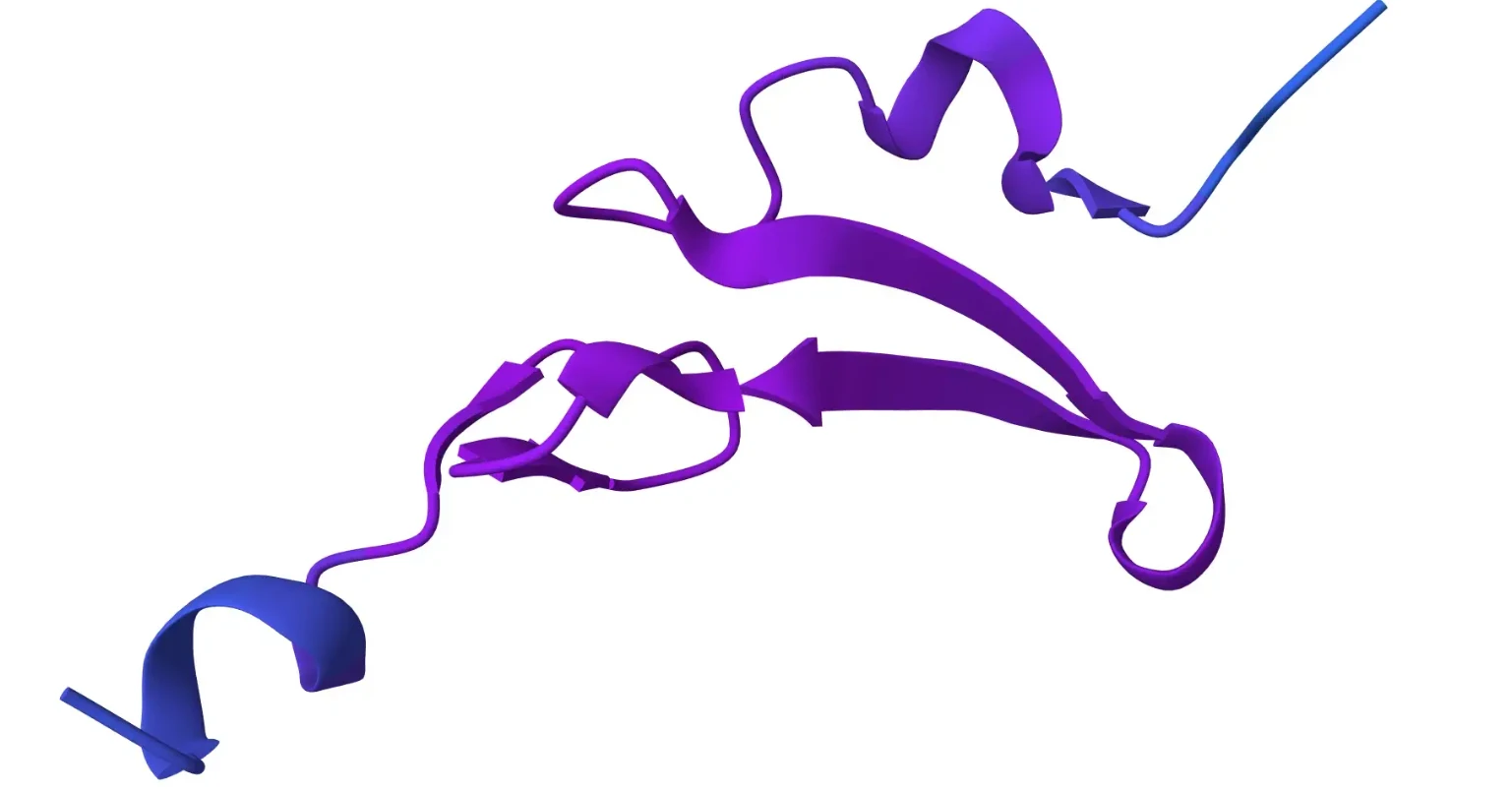
Under the international INCI naming system, SH-Oligopeptide-1 refers to recombinant human epidermal growth factor (EGF), a bioactive peptide made of 53 amino acids with a molecular weight of about 6200 Da. Its mechanism is well understood: it binds to the epidermal growth factor receptor, activates downstream signaling pathways, and promotes the proliferation, differentiation, and migration of epidermal cells and fibroblasts. In the medical field, EGF is used to promote healing of difficult wounds. In the cosmetics market, it was once seen as a star ingredient for repair and anti-aging.
But in China, the situation is completely different. In 2019, the National Medical Products Administration (NMPA) clearly stated that human oligopeptide-1 (EGF) cannot be used as a cosmetic ingredient. The "Oligopeptide-1" allowed in Chinese regulations is a synthetic tripeptide made of glycine, histidine, and lysine (GHK), with a molecular weight of about 340 Da – a completely different substance.
The global recombinant EGF market is still growing. One report estimates that the global recombinant human EGF market was about $820 million in 2023 and is expected to reach $1.25 billion by 2030. Cosmetics and skincare are important application areas. However, due to regulatory restrictions in China, this demand can only be met through cross-border e-commerce or export business.
2. What Exactly Is SH-Oligopeptide-1?
SH-Oligopeptide-1 gets its name from the INCI (International Nomenclature of Cosmetic Ingredients) system. Chemically, it is recombinant human epidermal growth factor, produced by genetic engineering (commonly using E. coli or yeast expression systems), with an amino acid sequence identical to natural human EGF.
Its molecular weight is about 6200 Da, consisting of 53 amino acids with three disulfide bonds that form a stable three-dimensional structure. This structure determines its bioactivity – it specifically binds to EGFR on cell membranes and triggers a cascade of cell proliferation and migration signals.
Compared to small peptides commonly used in cosmetics (such as GHK, palmitoyl pentapeptide, etc.), SH-Oligopeptide-1 is much larger and its mechanism is more that of a "signal molecule" than a "structural component." It does not directly provide collagen building blocks; instead, it instructs cells to produce more collagen, hyaluronic acid, and elastic fibers.
In contrast, the "Oligopeptide-1" in Chinese regulations is a different substance. According to NMPA's official explanation, Oligopeptide-1 is a synthetic peptide composed of glycine, histidine, and lysine, with a molecular weight of about 340 Da. The two are completely different in source, structure, molecular weight, and regulatory status.
| Comparison | SH-Oligopeptide-1 | Cosmetic ingredient "Oligopeptide-1" (China) |
| Source | Recombinant DNA technology (E. coli/yeast) | Chemical synthesis |
| Number of amino acids | 53 | 3 |
| Molecular weight | ~6200 Da | ~340 Da |
| Mechanism | EGFR receptor agonist | Metal ion complexation, signaling regulation |
| China cosmetic regulation | Prohibited | Listed in the used ingredients catalogue |
Many overseas suppliers sell SH-Oligopeptide-1 directly as "EGF" or "recombinant human EGF," which is compliant in European and US markets. But when imported into China for cosmetic manufacturing, it runs into regulatory barriers.
3. Efficacy Data – What Can SH-Oligopeptide-1 Actually Do?
Research on SH-Oligopeptide-1 has focused on skin repair and anti-aging, with fairly solid in vitro and clinical data.
Epidermal repair and wound healing. This is the earliest validated area for EGF. Multiple studies have shown that exogenous EGF accelerates the migration of keratinocytes and fibroblasts, significantly shortening skin barrier repair time. In post-laser, post-chemical peel, or superficial scratch repair, EGF-containing formulas accelerate re-epithelialization and reduce post-inflammatory hyperpigmentation. In one clinical trial, wound healing time in the EGF gel group was shortened by about 30% compared to the control group.
Anti-aging and wrinkle reduction. EGF stimulates type I and type III collagen synthesis in dermal fibroblasts, increasing skin thickness and elasticity. In an 8-week randomized controlled trial, an EGF-containing cream reduced wrinkle depth by about 20% and improved skin firmness. However, most of these studies used penetration-enhancing techniques (microneedling, liposomes, cell-penetrating peptides) because EGF's large molecular weight makes it difficult to penetrate intact healthy skin on its own.
Other areas. Some studies have explored EGF's potential in UV protection, anti-inflammation, and hair growth, but the evidence is weaker than for repair and anti-aging.
Important note: EGF's efficacy is highly dependent on the integrity of its three-dimensional structure. Anything that breaks disulfide bonds or denatures the protein (high temperature, strong acids/bases, organic solvents, prolonged stirring) will inactivate it. This is a major technical challenge in formulation.
4. Sourcing Strategies for Different Markets
The decision to source SH-Oligopeptide-1 depends entirely on your target sales market.
Selling only in mainland China: Do not touch it. Source the compliant "Oligopeptide-1" (GHK tripeptide) or "Copper Tripeptide-1 (GHK-Cu)" instead. They have clear efficacy data and regulatory status.
Exporting to European or US markets: You can source it. European and US regulators are relatively tolerant of EGF. The FDA treats it as a cosmetic ingredient with no pre-approval, but manufacturers are responsible for safety. The EU's EC 1223/2009 does not explicitly ban EGF, but general cosmetic safety requirements apply. When sourcing, ask for batch-specific COA, purity test reports, endotoxin testing (required for injectable grade; optional for cosmetic grade), and a non-animal source declaration.
Cross-border e-commerce or overseas brand OEM: You can source it, but be aware of regulatory differences in the destination country. Some countries (e.g., Canada, Australia) have tightened oversight on EGF – check before shipping.
5. Quality Control – What to Check on the COA
When sourcing SH-Oligopeptide-1 powder, the COA should at least include the following parameters:
| Parameter | Typical Specification | Why It Matters |
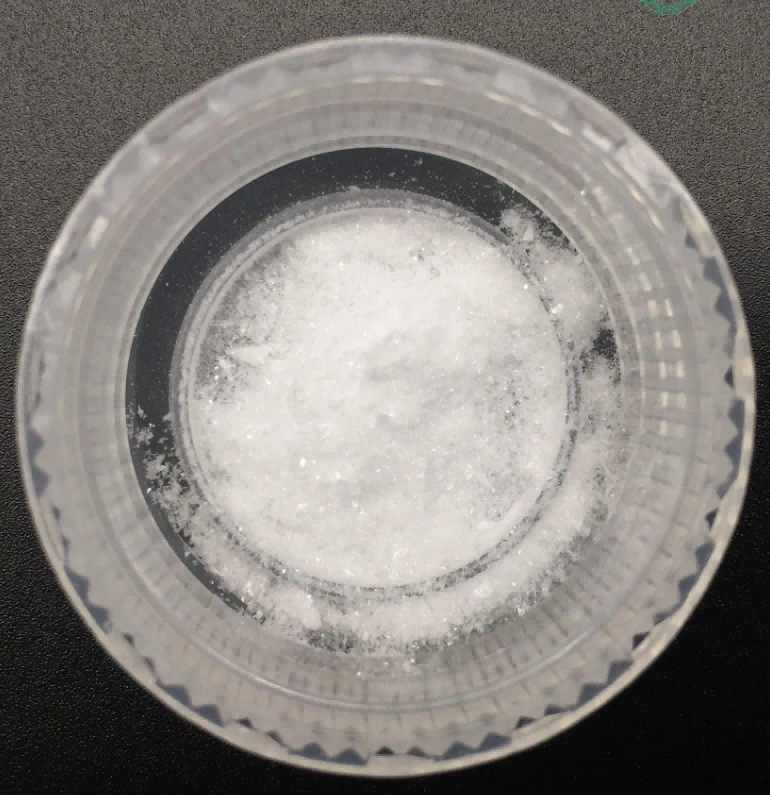
| Appearance | White to off-white powder | Quick check |
| Purity (HPLC) | ≥95% – ≥98% | Core indicator; low purity means poor activity |
| Molecular weight (mass spec) | ~6200 Da | Confirms full-length EGF, not fragments |
| Bioactivity (cell proliferation assay) | ED50 ≤1 ng/mL | Direct proof of functional activity |
| Endotoxin | ≤10 EU/mg (cosmetic grade can be looser) | Strict for injectable grade; high levels still risky |
| Heavy metals (Pb, As, Hg, Cd) | Pb ≤2, As ≤1, Hg ≤0.1, Cd ≤1 mg/kg | Safety baseline |
| Microbiology | TPC ≤100 CFU/g; no pathogens | Biological products have higher risk |
| Residual solvents | Within USP limits | Fermentation/purification may use acetic acid, acetonitrile |
Extra sourcing tips:
Expression system. E. coli systems cost less but have higher endotoxin risk; yeast systems have lower endotoxin but cost slightly more. Choose based on the intended use.
Form selection. SH-Oligopeptide-1 powder is more stable than solution. Buy powder and prepare fresh or as a lyophilized product when formulating.
Stability verification. Ask the supplier for accelerated stability data (e.g., purity change after 3 months at 40°C/75% RH).
6. B2B FAQs
Q1: Is SH-Oligopeptide-1 the same as the cosmetic ingredient "Oligopeptide-1" in China?
A: No. SH-Oligopeptide-1 is recombinant human EGF (53 amino acids). China's "Oligopeptide-1" is the GHK tripeptide (3 amino acids). They differ in structure, source, and regulatory status.
Q2: Can SH-Oligopeptide-1 be used in face creams manufactured in China?
A: No. NMPA has explicitly banned human oligopeptide-1 (EGF) as a cosmetic ingredient. Using it is illegal and subject to penalties.
Q3: What should I watch out for when sourcing SH-Oligopeptide-1 for export?
A: Confirm the regulations in your target market (EU, US, Southeast Asia, etc.), ask the supplier for a complete COA (purity, activity, endotoxin), and keep batch traceability records. Also, pay attention to shipping conditions (cold chain, 2–8°C).
Q4: Is SH-Oligopeptide-1 stable in formulations?
A: Not very stable. It is sensitive to heat, strong acids/bases, and prolonged stirring. Add it below 40°C, avoid strong chelators, use opaque packaging, and consider lyophilized or separate-chamber formats.
Q5: Why is EGF banned in China but used by many major international brands?
A: Because regulatory standards differ. European and US regulators believe that current evidence does not show serious safety risks of EGF in cosmetics, so they allow it. China takes a precautionary approach, citing insufficient long-term safety data under non-medical, unregulated use, and therefore prohibits it.
7. Conclusion & Contact Information
SH-Oligopeptide-1 is a well-studied recombinant bioactive peptide with clear efficacy and a place in international cosmetic markets. However, its use in China is strictly prohibited. The first task for buyers is to determine the target market – for domestic sales in China, avoid it entirely; for export, source compliantly according to the destination country's regulations and validate formulation stability.
XI'AN LAND NUTRA CO., LTD. does not currently supply SH-Oligopeptide-1 (EGF). However, we can provide supply chain consulting and recommend compliant alternatives for export customers. For domestic-compliant "Oligopeptide-1" (GHK) or "Copper Tripeptide-1 (GHK-Cu)" raw materials, please contact us.
Contact us for:
Free samples and COAs
Formulation development and stability testing support
Regulatory documentation assistance for European and US markets
Supports small-batch brand customization
Email: wangjing@landnutra.com
WhatsApp: +86 18092657549
XI'AN LAND NUTRA – Helping you avoid regulatory pitfalls in ingredient sourcing and making compliant products go further.